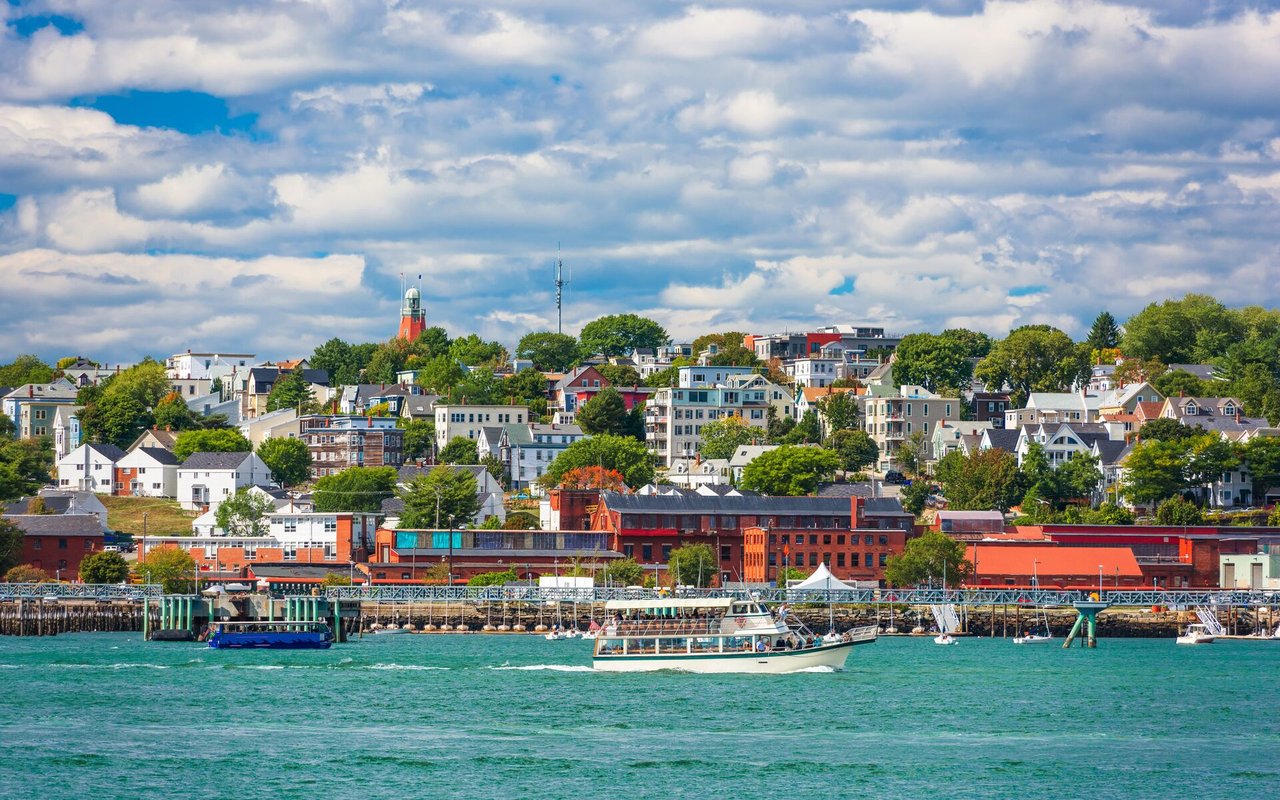
Portland punches well above its weight. For a relatively small city, it has a nationally recognized food scene, a working waterfront, a surprisingly deep arts and cultural community, access to Casco Bay, and neighborhoods that can feel remarkably different from one another.
That's an important distinction for anyone considering a move here. Portland isn't just the Old Port and peninsula that visitors tend to know. You can live in the middle of the city and rarely use your car, own a traditional single family home on a quiet tree lined street a few miles away, or live on an island and commute downtown by ferry. In other words, there isn't really one Portland lifestyle.
Portland is a small city in the best sense of the term. It's large enough to have genuinely good restaurants, breweries, music, art, healthcare, and a real downtown, but small enough that most of the city remains relatively easy to navigate.
The peninsula is the urban heart of Portland and includes the Old Port, Downtown, the East End and Munjoy Hill, the West End, Parkside, Bayside, and several smaller pockets that each have their own identity. For walkability purposes, no other area of Portland can rival the peninsula.
Once you leave the peninsula, Portland changes quickly as does its walkability. Back Cove feels residential and established. Deering Center has something closer to a traditional neighborhood village feel. North Deering becomes increasingly suburban. Stroudwater has historic homes and a setting that can feel surprisingly removed from downtown. East Deering combines established residential streets with immediate access to Casco Bay and the Eastern Promenade side of the city.
Portland even includes several inhabited islands in Casco Bay, including Peaks Island, which is connected to downtown by year round ferry service. The common thread is proximity. Even Portland's more suburban neighborhoods remain relatively close to downtown.
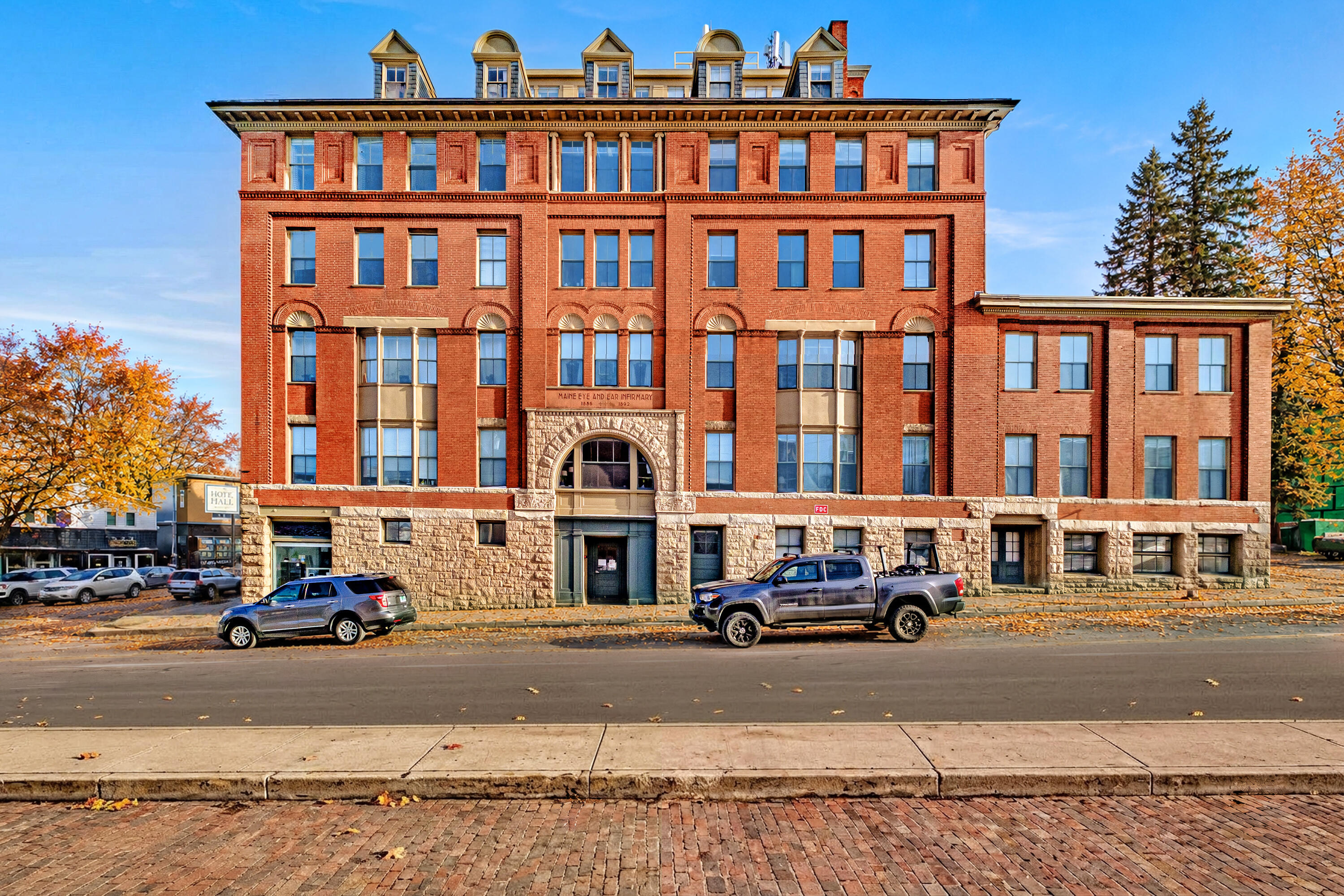
Portland has some of the most varied housing stock in Southern Maine. On the peninsula you'll find historic brick rowhouses, Federal and Victorian homes, multi-family buildings, converted industrial properties, newer condominiums, and everything in between.
Munjoy Hill and the East End have seen substantial redevelopment over the years, creating an interesting mix of historic homes, traditional triple-deckers, contemporary infill, and higher end condominiums.
The West End contains some of Portland's most architecturally significant residential properties, including grand nineteenth century homes alongside smaller houses, condominiums, and multi family buildings.
Off peninsula, the housing stock shifts toward traditional single family homes. Back Cove, Deering Center, Rosemont, East Deering, and North Deering offer everything from early twentieth century Craftsman homes and classic Capes to ranches, Colonials, mid century houses, and newer construction.
That variety makes Portland particularly difficult to value using broad metrics alone. Square footage matters, but neighborhood, street, parking, outdoor space, renovation quality, architectural character, and walkability can matter just as much. In some parts of Portland, moving only a few blocks can materially change value.
For buyers relocating to Portland, one of the first decisions is often whether they want to live on or off the peninsula. Living on the peninsula generally means accepting less space in exchange for considerably more walkability. Restaurants, coffee shops, bars, galleries, the waterfront, entertainment, and everyday services can all be within walking distance depending on location.
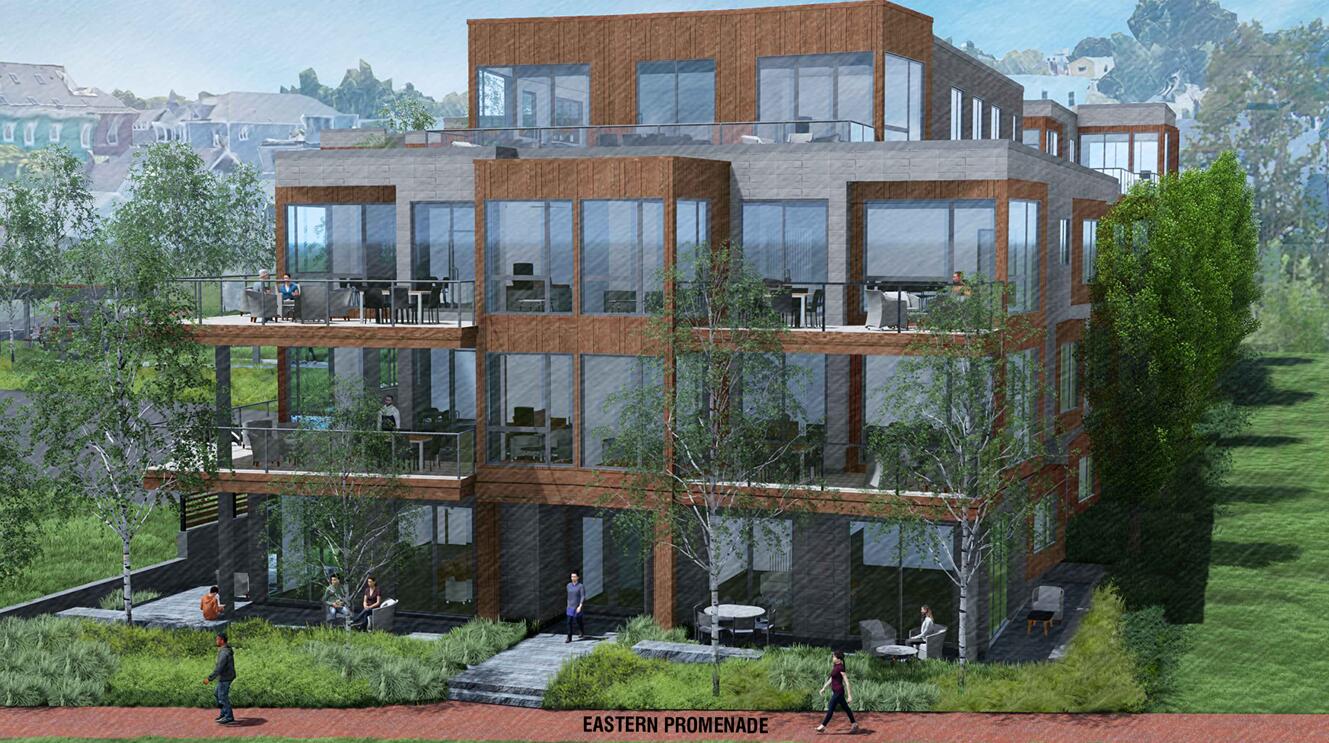
But even the peninsula isn't one experience. The Old Port and Downtown put you closest to Portland's commercial and restaurant core but also come with more activity, tourism, and nightlife. Munjoy Hill and the East End combine walkability with access to the Eastern Promenade and Casco Bay. The Eastern Promenade itself is one of Portland's defining public spaces, with waterfront trails, open fields, recreation areas, and expansive views across the bay.
The West End has a different feel entirely. It's more residential, architecturally distinctive, and in places surprisingly quiet considering its proximity to downtown. Parkside, Bayside, and the areas between these better known neighborhoods provide still more variations in housing, density, and price. This is why I generally discourage buyers from deciding that they either do or don't want to live "downtown" without first spending time in the individual neighborhoods.
Some of Portland's most desirable neighborhoods sit completely outside what visitors typically think of as Portland. Back Cove is a good example. It offers predominantly residential streets, traditional single family housing, and immediate access to the Back Cove Trail while remaining only minutes from downtown. It can feel much more suburban than the peninsula without sacrificing much in terms of convenience.
Deering Center has a particularly strong neighborhood identity. The area around Stevens Avenue and Pleasant Avenue has local businesses, restaurants, schools, and gathering places that give it something approaching a village feel. Surrounding streets contain a mixture of older homes, mature trees, sidewalks, and established residential neighborhoods. You'll also find a greater level of walkability here as compared to other off-peninsula Portland neighborhoods.
Although Deering Highlands and Deering Center sound similar in name, that's where the similarities end as the neighborhoods are distinctly different. Deering Highlands is where you'll be find beautiful historic homes built around the turn of the century with beautiful period details and high ceilings. And, unfortunately, that character comes with a price tag. While Deering Center does have pockets of older historic homes, it's comprised primarily of homes built from 1960 on.
Nearby Rosemont has a similarly residential character with its own small commercial nodes and easy access to both downtown and the western side of the city.
North Deering becomes progressively more suburban, with larger lots, more postwar housing, and considerably less density. Buyers are sometimes surprised by just how suburban Portland can become while still technically remaining within city limits.
East Deering has historically received less attention than some of Portland's better known neighborhoods, but its proximity to the waterfront, trails, Payson Park, and the peninsula makes it an interesting part of the city to watch.
Walkability varies dramatically by neighborhood. On much of the peninsula, a car can become optional for day to day life. The Old Port, Arts District, East End, West End, and surrounding neighborhoods put restaurants, coffee shops, entertainment, parks, and services within relatively easy walking distance.
That changes as you move farther from downtown. Deering Center and Rosemont have pockets of walkability, but most off peninsula households will still rely on a car for at least some everyday errands. North Deering and the outer portions of the city are much more car dependent.
Portland is also small enough geographically that the difference between an urban and suburban lifestyle can sometimes be only a ten minute drive. That's one of the city's more unusual advantages. You don't necessarily have to choose between having a yard and having dinner downtown.
Portland's restaurant scene has become one of the city's calling cards, but what's more relevant to residents is how much exists outside the destination restaurants that receive national attention. Neighborhood bakeries, coffee shops, breweries, small restaurants, music venues, galleries, farmers markets, and independent businesses are woven throughout the city.
The working waterfront is also still exactly that. Commercial fishing, ferries, marine businesses, and tourism all occupy the same relatively compact stretch of waterfront, which helps keep Portland from feeling entirely polished or manufactured.
There's a little grit mixed in with the expensive restaurants and new condominiums, and personally, I think Portland is better for it.
Portland offers an unusual amount of outdoor access for a city of its size. The Eastern Promenade and Back Cove are probably the most visible examples, but the city has an extensive collection of parks, trails, playgrounds, athletic fields, and conservation areas distributed throughout its neighborhoods.
Casco Bay adds another dimension entirely. Ferries leave directly from the Portland waterfront for Peaks Island and other Casco Bay islands, while boating, kayaking, sailing, and paddleboarding are all readily accessible.
One of Portland's advantages is that outdoor recreation isn't something you necessarily have to leave the city to find. Depending on where you live, a morning run along Casco Bay, a ride around Back Cove, or a ferry trip to Peaks Island can simply be part of normal life.
Portland is a very competitive and often expensive housing market, but pricing varies considerably by neighborhood and property type. Location matters at an unusually granular level.
A renovated house on a quiet residential street can perform very differently from a similar house on one of Portland's busier corridors. Parking can have significant value on the peninsula while being largely expected elsewhere. A small yard may be a meaningful amenity in one neighborhood and relatively ordinary in another.
Walkability also carries a premium, particularly on the peninsula and in some of Portland's established residential neighborhoods. Buyers considering older homes should expect many of the issues common to Southern Maine's housing stock. Older electrical systems, aging plumbing, stone foundations, moisture, knob and tube wiring, lead paint, asbestos containing materials, older heating systems, and multiple generations of renovations aren't unusual.
That's not necessarily a reason to avoid older Portland homes. Some of the city's most desirable properties are well over a century old. It simply makes understanding the quality and history of a house especially important.
Condominium buyers have a different set of considerations. Association finances, reserves, insurance, owner occupancy, rental restrictions, planned capital projects, and the condition of the overall building can be just as important as the unit itself.
Parking deserves its own mention because its importance changes dramatically depending on where you are. For a single family home in North Deering, a driveway is generally expected.
For a condominium in the Old Port or West End, a deeded parking space can be a significant asset. Some peninsula residents live quite comfortably without dedicated parking, but buyers should understand what that actually means before assuming they'll figure it out later. Street cleaning, snow bans, winter parking, guest parking, and simply finding a space after coming home at night can all become part of daily life.
For some people that's a perfectly acceptable tradeoff for walkability. For others, dedicated parking should be much higher on the wish list than they initially realize.
One of the stranger facts about Portland real estate is that you can technically live in the city while living on an island. Peaks Island is the best known example and has a year round residential community connected to downtown Portland by ferry. The lifestyle is very different from mainland Portland, despite sharing the same municipality.
Island property introduces its own considerations involving transportation, contractors, deliveries, weather, utilities, and the logistics of everyday life. For the right buyer, that's precisely the appeal. For someone who simply likes the idea of island living without thinking through those logistics, it's worth spending considerably more time there before buying.
Portland works particularly well for buyers who want access to a genuine city without living in a particularly large one. Someone prioritizing restaurants, culture, walkability, and an urban lifestyle may gravitate toward the peninsula.
Someone who wants a traditional house, yard, neighborhood feel, and easy access to downtown may prefer Back Cove, Deering Center, Rosemont, East Deering, or another off peninsula neighborhood. Someone looking for more space and a more suburban setting can find that in North Deering and other outer sections of the city.
And someone willing to make a considerably less conventional lifestyle choice can even live on an island while remaining a ferry ride from downtown. That's ultimately what makes Portland difficult to summarize. It's compact geographically, but the experience of living here can change dramatically from one neighborhood to the next.
68,505 people live in Portland, where the median age is 37.5 and the average individual income is $52,125. Data provided by the U.S. Census Bureau.
Total Population
Median Age
Population Density Population Density This is the number of people per square mile in a neighborhood.
Average individual Income
There's plenty to do around Portland, including shopping, dining, nightlife, parks, and more. Data provided by Walk Score and Yelp.
Explore popular things to do in the area, including Greeks of Peaks, A Glimpse of Peaks, and Diamond Center.
| Name | Category | Distance | Reviews |
Ratings by
Yelp
|
|---|---|---|---|---|
| Dining | 1.49 miles | 3 reviews | 4.3/5 stars | |
| Active | 0.85 miles | 0 reviews | 0/5 stars | |
| Active | 1.6 miles | 0 reviews | 0/5 stars | |
|
|
||||
|
|
||||
|
|
||||
|
|
||||
|
|
||||
|
|
Portland has 32,393 households, with an average household size of 2.05. Data provided by the U.S. Census Bureau. Here’s what the people living in Portland do for work — and how long it takes them to get there. Data provided by the U.S. Census Bureau. 68,505 people call Portland home. The population density is 3,180 and the largest age group is Data provided by the U.S. Census Bureau.
Total Population
Population Density Population Density This is the number of people per square mile in a neighborhood.
Median Age
Men vs Women
Population by Age Group
0-9 Years
10-17 Years
18-24 Years
25-64 Years
65-74 Years
75+ Years
Education Level
Total Households
Average Household Size
Average individual Income
Households with Children
With Children:
Without Children:
Marital Status
Blue vs White Collar Workers
Blue Collar:
White Collar: