Cumberland is one of Greater Portland's more interesting suburban markets because it manages to feel polished and established without feeling overly built up.
It's close enough to Portland for a relatively easy commute, but much of the town feels distinctly residential and, in places, rural. You'll find village style neighborhoods, larger lots, historic homes, newer subdivisions, working farmland, wooded roads, and a small but meaningful stretch of coastline.
The key thing to understand is that Cumberland isn't one uniform market. Cumberland Center, Cumberland Foreside, and the more rural sections of town offer very different settings, housing stock, and price points.
Cumberland tends to appeal to buyers who want more space and a quieter day to day environment without feeling disconnected from Portland. Cumberland Center is the heart of town. It's where you'll find the schools, Town Hall, library, and a small collection of local businesses. It has a traditional New England town center feel that gives Cumberland more of a defined community core than some neighboring suburbs.
Move east toward Cumberland Foreside and the character changes. Properties tend to become more coastal, values rise, and proximity to Casco Bay becomes a much bigger part of the appeal. Head farther inland and north, and Cumberland becomes increasingly rural. Larger parcels, wooded lots, farmland, and quieter roads become more common. That range gives buyers more options than they may initially expect.
Cumberland has a broad mix of housing, but single family homes dominate the market. Around Cumberland Center you'll find a combination of historic homes, classic Capes and Colonials, established subdivisions, and newer construction.
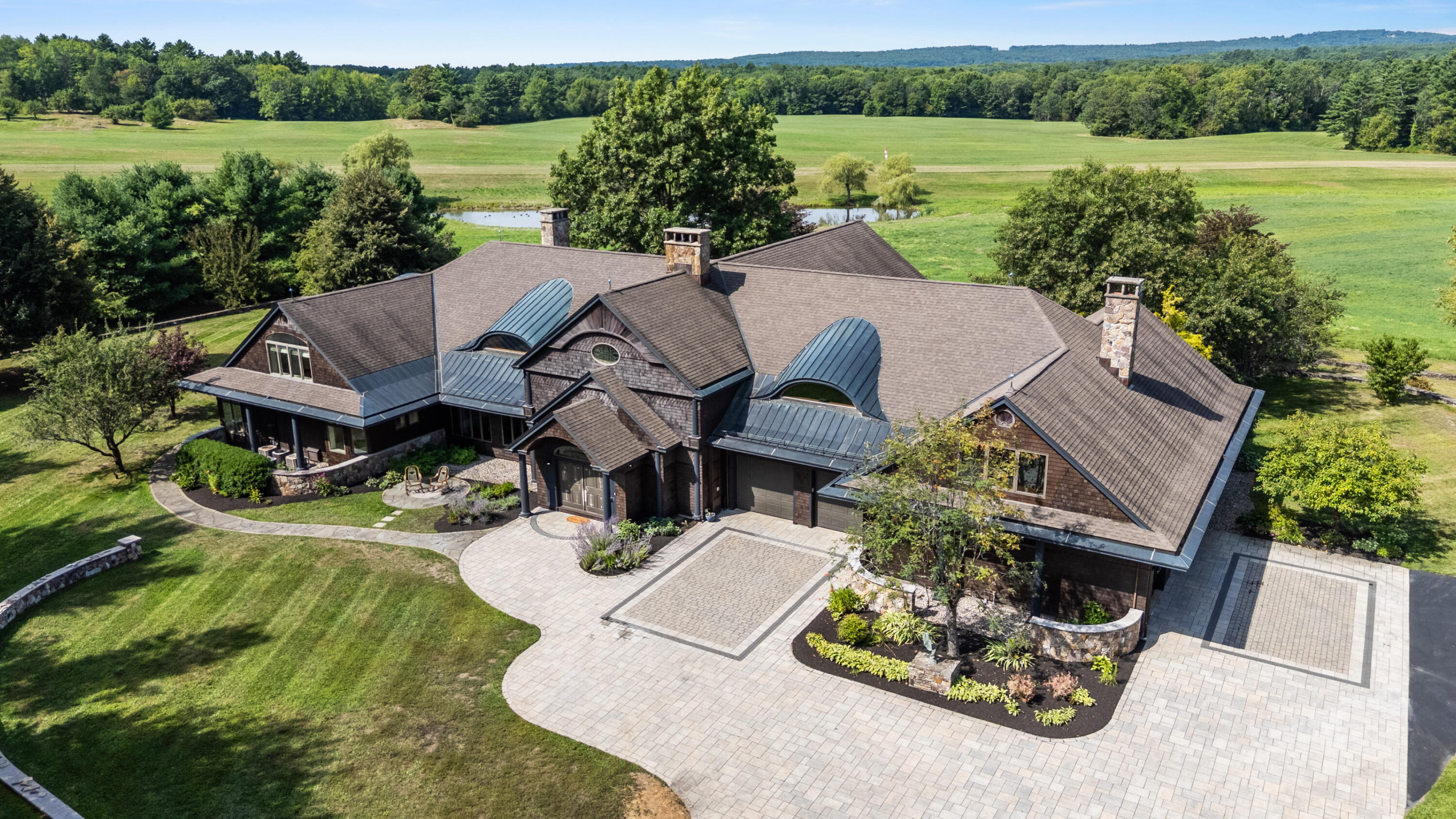
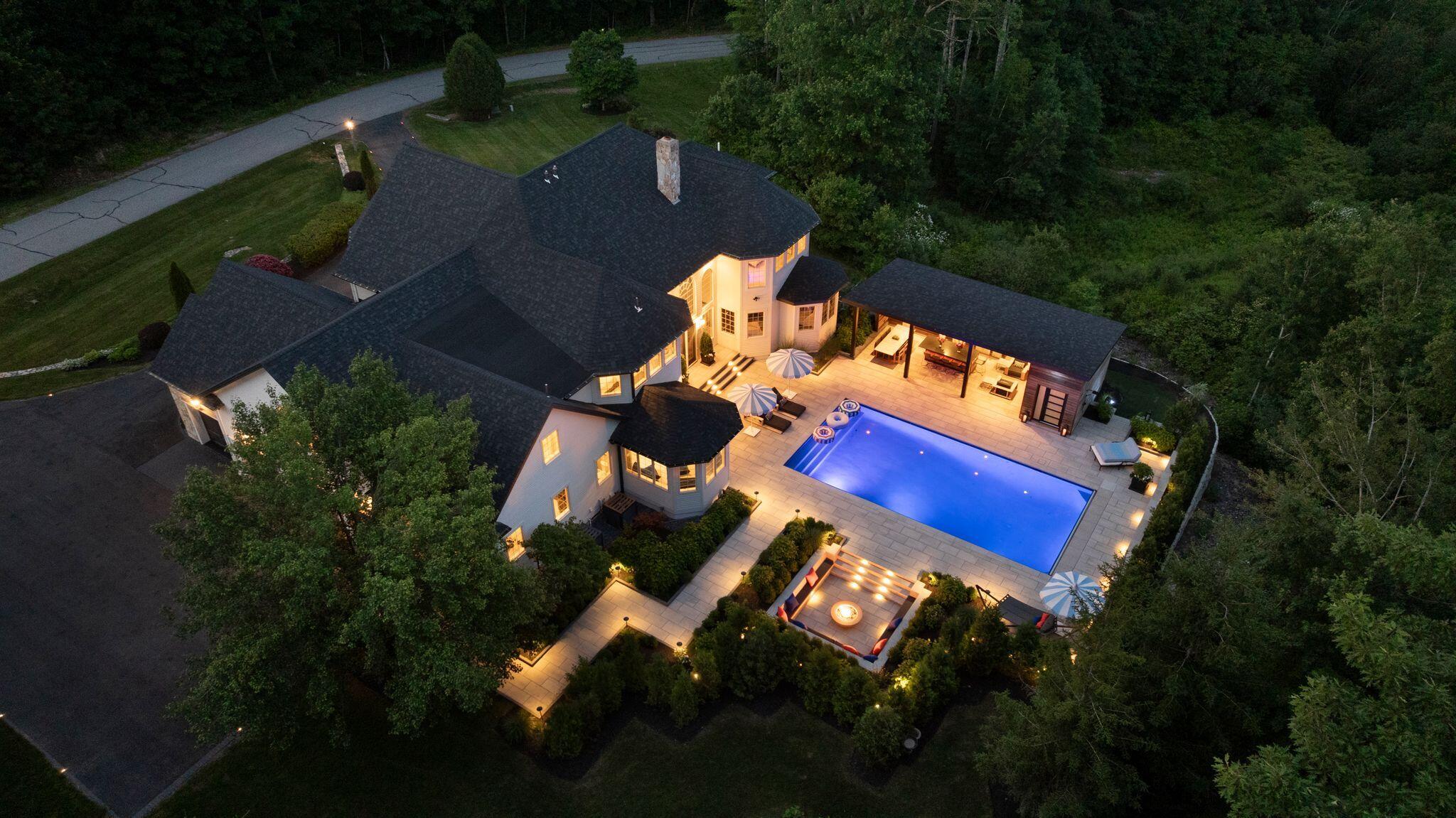
Farther from the center, lots generally become larger and the housing more varied. You'll see custom homes, postwar properties, farmhouses, contemporary homes, and newer subdivisions tucked into wooded settings.
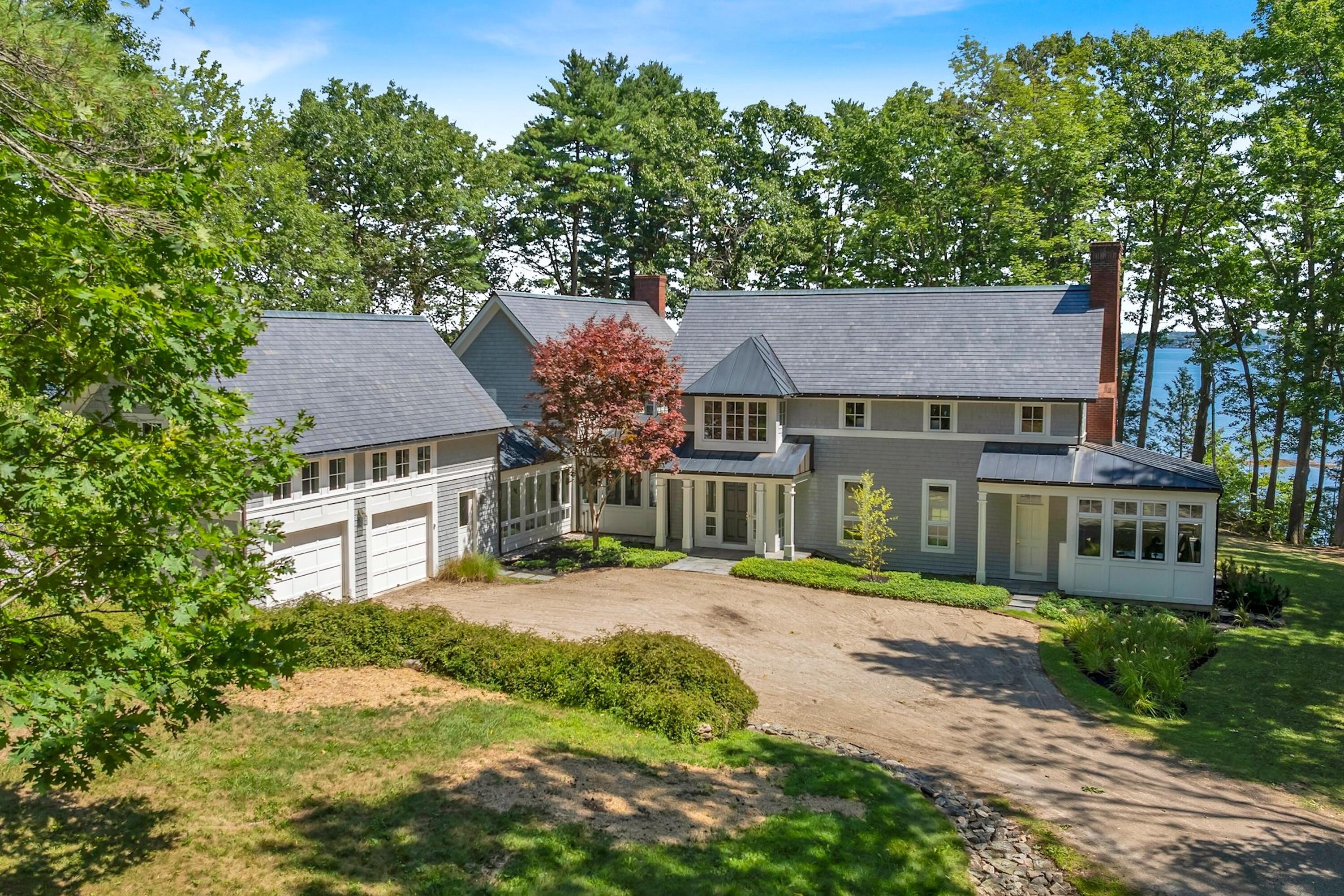
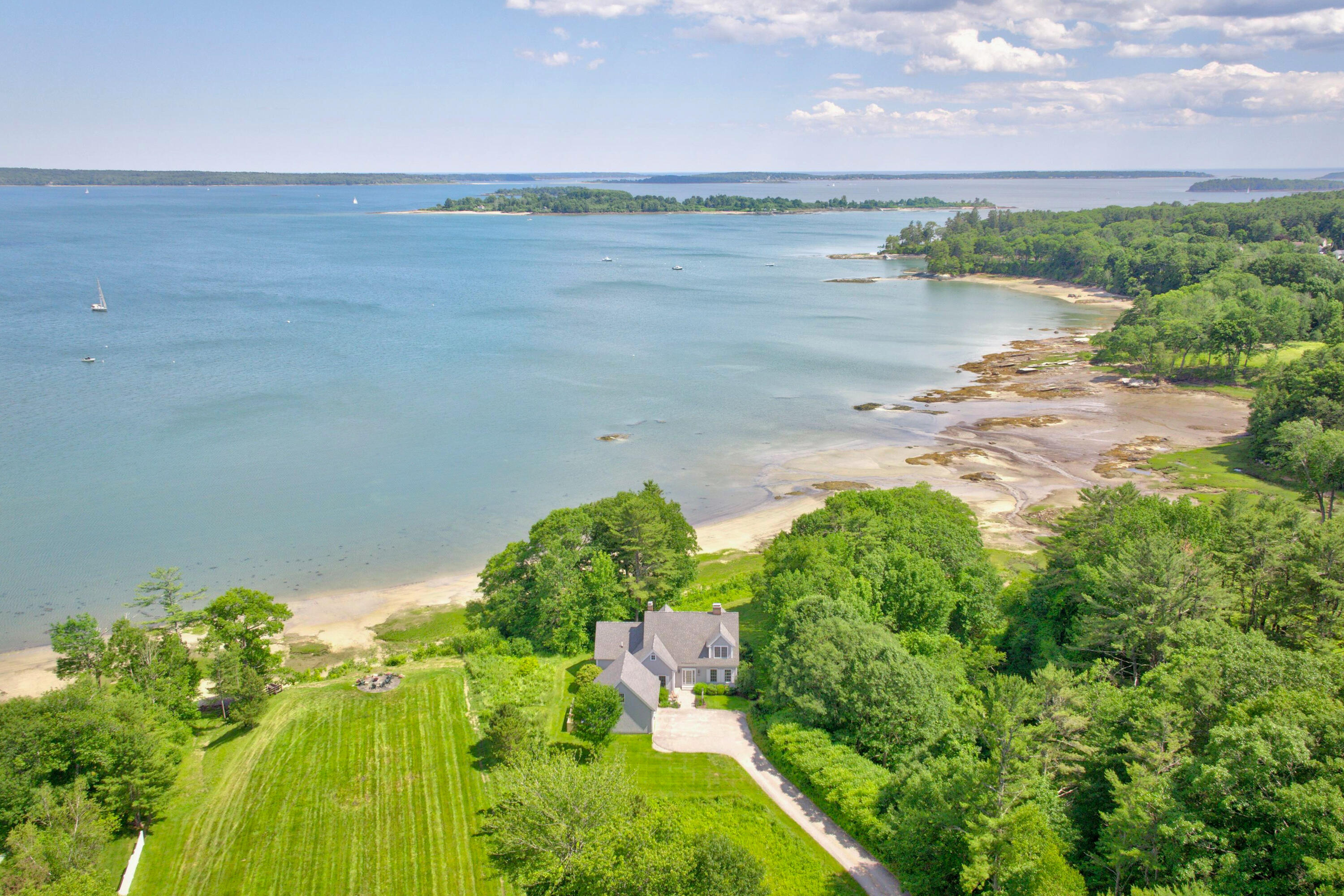
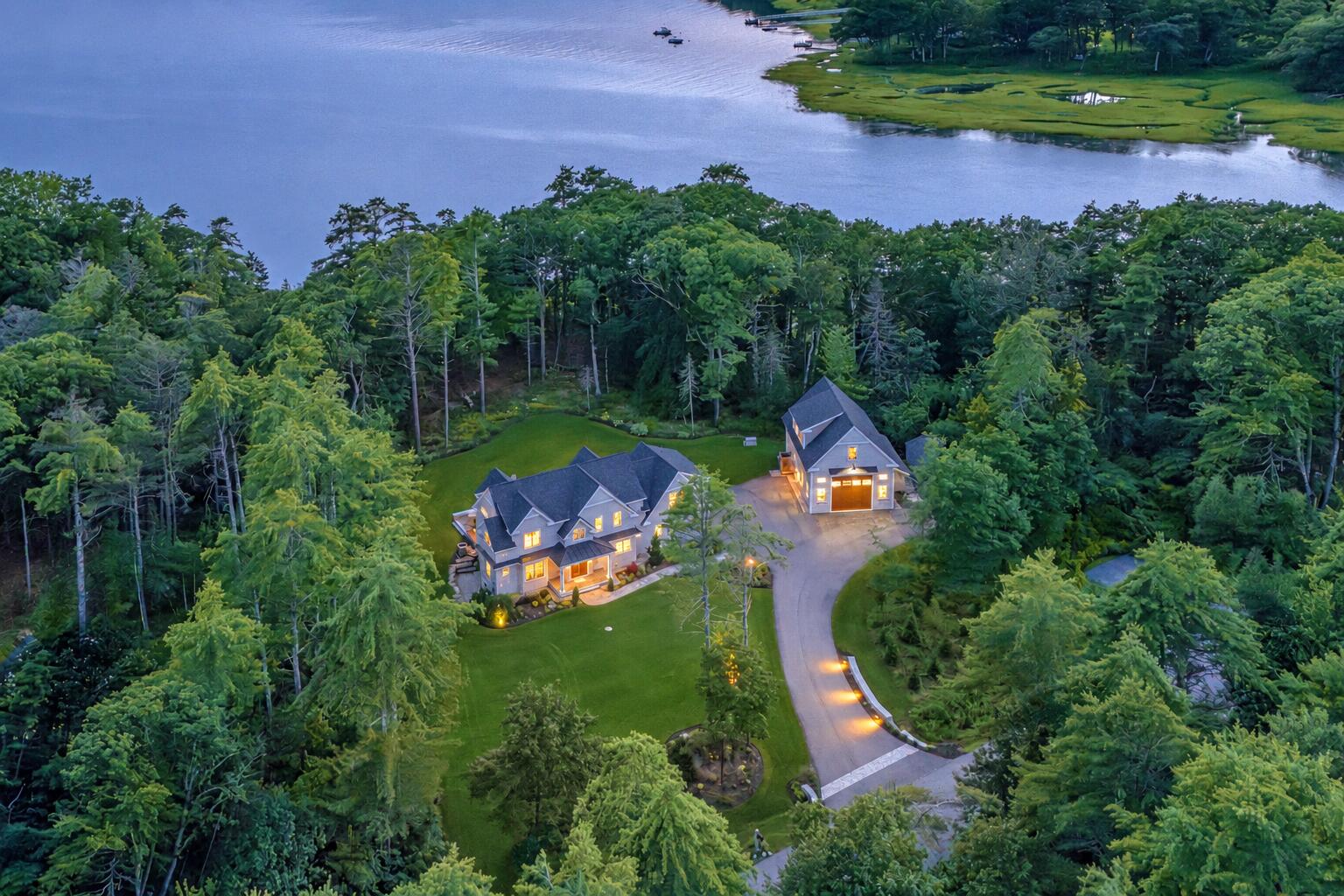
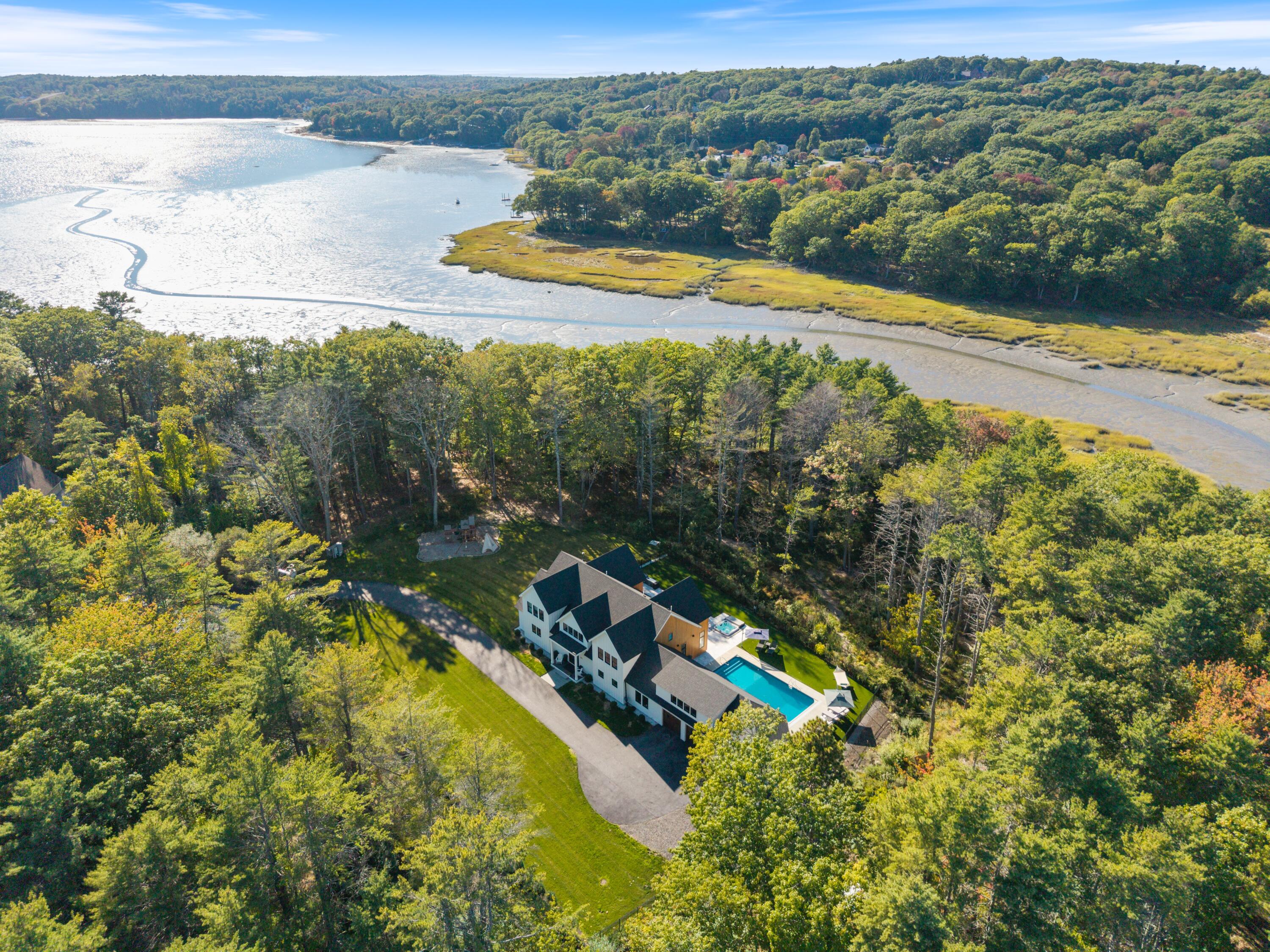
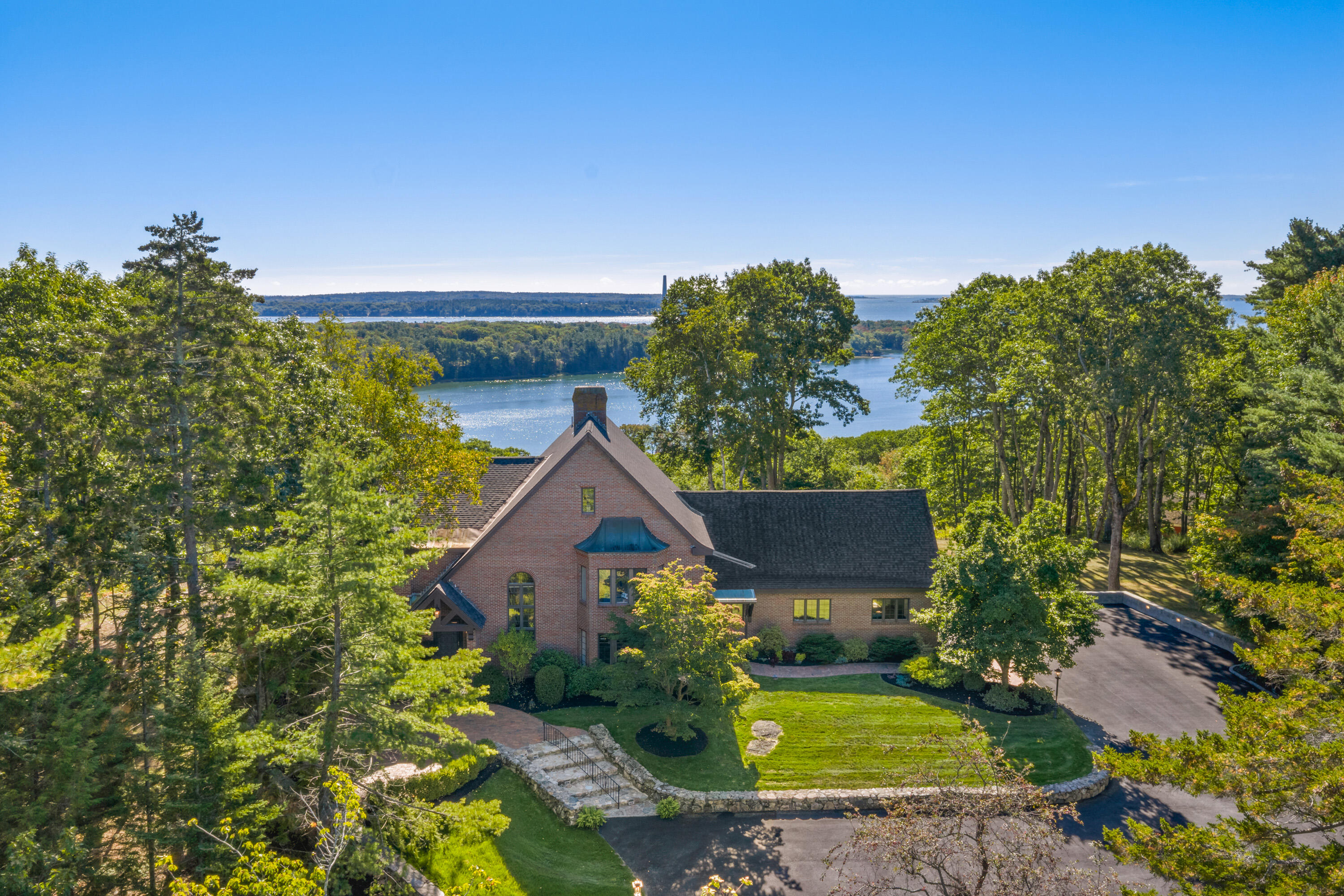
Cumberland Foreside has its own housing profile entirely, with established coastal neighborhoods, substantial homes, waterfront properties, and homes that command premiums simply because of their location relative to Casco Bay.
As with most Greater Portland communities, square footage alone doesn't tell you much. Lot quality, road location, age, condition, school proximity, privacy, neighborhood setting, and whether you're on the Foreside or farther inland can have a substantial influence on value.
Cumberland Center is probably the easiest part of town to understand from a lifestyle standpoint. It's where Cumberland feels most like a traditional community rather than simply a collection of residential roads. The schools, library, town offices, recreation facilities, and a handful of local businesses are concentrated in and around the center. That gives the area more day to day activity and a somewhat more walkable feel than most of the town.
It's still suburban by almost any definition, but buyers who like the idea of being able to walk or bike to schools, the library, or community events may find Cumberland Center particularly appealing. The surrounding housing stock ranges from older village homes to established subdivisions and newer construction.
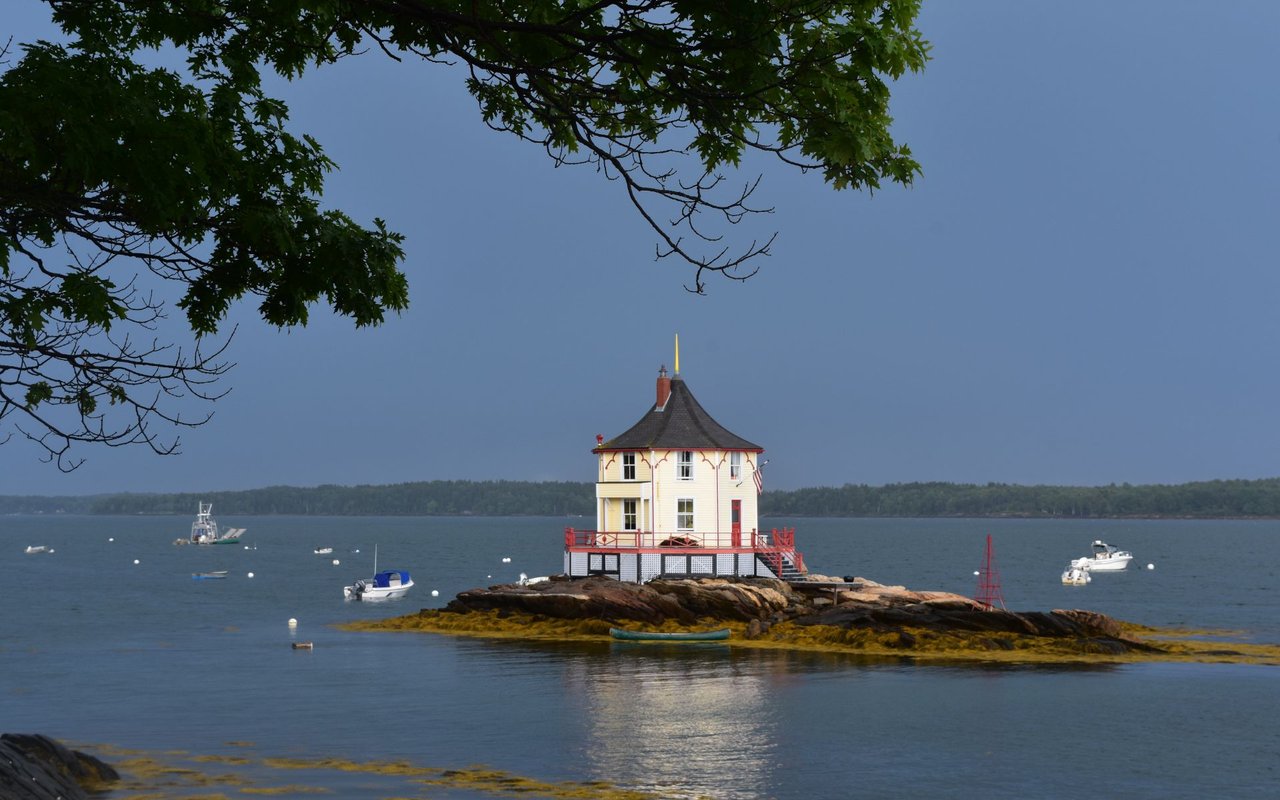
Cumberland Foreside is the coastal side of the market and generally carries some of the town's highest property values. The appeal is fairly straightforward: proximity to Casco Bay, established neighborhoods, larger homes, and in some cases direct waterfront or water views. Broad Cove Reserve also provides public access to the coast, which gives residents another way to connect with Casco Bay even without owning waterfront property.
But as with Falmouth Foreside, buyers shouldn't assume that every property near the coast carries the same premium. Actual waterfront, water views, neighborhood setting, lot orientation, road exposure, access to the water, and the condition of the home can all create large differences in value. A house a few streets inland can live very differently from one directly on the water, even if both technically fall within Cumberland Foreside.
One of Cumberland's more underrated qualities is how quickly the town becomes rural once you move away from the center and Foreside. There are areas with larger lots, wooded roads, open fields, farms, and far more privacy than buyers may expect this close to Portland. That makes Cumberland particularly appealing to buyers who want acreage or a quieter setting but don't necessarily want to move much farther north into North Yarmouth, Pownal, or Gray. The tradeoff is convenience.
The farther you move from Cumberland Center, the more likely it is that nearly every errand will involve getting in the car. For some buyers that's a nonissue. For others, the difference between living five minutes from the center and fifteen minutes away matters more than they initially expect.
Cumberland and North Yarmouth share MSAD 51, which includes Greely High School, Greely Middle School, and Mabel I. Wilson School. The district serves both communities and remains one of the defining institutions in the area. The school campus is concentrated in Cumberland Center, which adds to the sense that this is the civic and community heart of town.
For many buyers, the school system is one of the primary reasons Cumberland enters the conversation in the first place. That demand has historically helped support property values, particularly in family oriented neighborhoods and areas with convenient access to the schools and center of town.
Cumberland has considerably more open space than people unfamiliar with the town may expect. The Cumberland Town Forest is one example, with trails immediately adjacent to the center of town. Cumberland also has access to larger wooded areas, conservation land, and trail networks that extend toward neighboring communities.
That access gives the town a somewhat unusual combination of suburban convenience and rural recreation. You don't necessarily have to drive far to find woods, trails, or open space.
For buyers who hike, run, bike, ski, or simply value having undeveloped land nearby, that can be a meaningful part of the appeal.
Cumberland is convenient, but not particularly walkable overall. Cumberland Center provides some limited walkability, but most residents rely on a car for everyday errands. Route 1 and the commercial areas of Falmouth and Yarmouth are nearby, while Portland is typically within an easy drive depending on where you are in town.
Interstate access is also relatively straightforward, particularly from the western and central parts of Cumberland. The tradeoff is that Cumberland doesn't have a large commercial district of its own. If you're looking for a town with restaurants, coffee shops, shopping, and nightlife concentrated in one place, Cumberland probably isn't it. For many residents, that's part of the appeal.
Cumberland can look straightforward on paper, but small location differences matter. A home in Cumberland Center may attract a different buyer than a similarly sized property on several acres farther inland. A Cumberland Foreside home may command a significant premium because of location even without direct waterfront.
Road exposure matters as well. Properties along busier routes can trade differently from comparable homes tucked into quieter neighborhoods. Buyers should also pay attention to utilities. Some properties are served by public water and sewer, while others rely on private wells and septic systems. That can vary considerably by location and is worth understanding early in the process.
Older properties may also come with the usual Southern Maine considerations, including older foundations, aging mechanical systems, additions built over multiple generations, drainage issues, and varying levels of renovation quality. Larger rural parcels can introduce different considerations around wetlands, easements, setbacks, soil conditions, and future expansion. None of those are unusual, but Cumberland is a town where understanding the land can sometimes be just as important as understanding the house.
Cumberland and Falmouth are frequently considered by the same buyers, but they offer somewhat different experiences. Falmouth has more commercial infrastructure, easier access to Route 1 amenities, and a larger concentration of coastal property around the Foreside. Cumberland generally feels quieter and more residential.
Cumberland Center also gives the town a more traditional civic core, while the more rural portions of Cumberland can offer significantly more land and privacy. For a buyer prioritizing convenience, boating, and immediate access to Portland, Falmouth may have the edge. For someone prioritizing space, a quieter residential setting, and a more traditional town feel, Cumberland can be very compelling.
Cumberland and Yarmouth also overlap heavily in the buyer pool. Yarmouth has a more developed village center, more restaurants and small businesses, and somewhat greater walkability around Main Street. Cumberland is generally more spread out and tends to offer more privacy and rural character once you move outside the center.
Both provide easy access to Portland, strong community identities, and a mix of older homes and newer construction. The decision often comes down to whether a buyer prioritizes a more active village environment or a quieter residential setting.
Cumberland tends to work particularly well for buyers who want to remain close to Portland but don't need an urban or highly walkable lifestyle. It appeals to buyers prioritizing schools, space, privacy, larger lots, access to trails, and a quieter day to day environment. Cumberland Center works well for buyers who want more of a defined community core.
The Foreside appeals to those prioritizing the coast and higher end residential settings. And the more rural parts of town can be especially compelling for buyers who want acreage without feeling as though they've moved far from Portland. That's really Cumberland's strength. It offers several distinctly different versions of suburban Maine within one town.